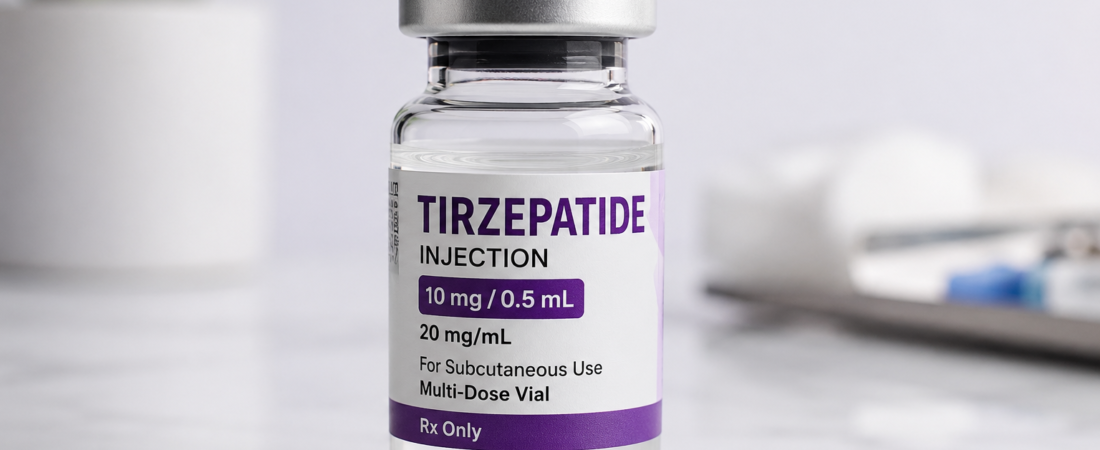
Tirzepatide:
Tirzepatide has become one of the most talked-about medications in modern healthcare. Originally developed to improve blood sugar control in adults with Type 2 diabetes, it has also gained significant attention for its ability to support substantial weight loss when prescribed alongside healthy lifestyle changes.
Clinical research has shown impressive results, making tirzepatide an important option for people living with obesity or Type 2 diabetes under the guidance of a qualified healthcare professional.
In this guide, we’ll explain what tirzepatide is, how it works, its potential benefits, possible side effects, and who may be suitable for treatment.
What Is Tirzepatide?
Tirzepatide is a once-weekly prescription injectable medication that belongs to a new generation of treatments known as dual GIP and GLP-1 receptor agonists.
Unlike earlier medications that target only one hormone pathway, tirzepatide works by mimicking two naturally occurring hormones that help regulate blood sugar, appetite, digestion, and energy balance:
- Glucose-dependent Insulinotropic Polypeptide (GIP)
- Glucagon-Like Peptide-1 (GLP-1)
By activating both hormone receptors, tirzepatide helps improve metabolic function and supports better control of both blood glucose levels and appetite.
How Does Tirzepatide Work?
Understanding how tirzepatide works helps explain why it has produced such positive results in clinical studies.
Improves Insulin Production
After eating, tirzepatide encourages the pancreas to release insulin only when blood sugar levels are elevated. This helps improve glucose control while reducing the risk of low blood sugar when used appropriately.
Reduces Sugar Released by the Liver
The medication decreases the amount of glucose produced by the liver, helping maintain more stable blood sugar levels throughout the day.
Slows Digestion
Tirzepatide slows gastric emptying, meaning food stays in the stomach for longer. This helps people feel fuller after meals and naturally reduces calorie intake.
Reduces Appetite
The medication also acts on appetite centres within the brain, helping reduce hunger and food cravings. Many users find they become satisfied with smaller meals and snack less frequently.
Benefits of Tirzepatide
1. Supports Significant Weight Loss
One of the biggest reasons people search for tirzepatide is its role in weight management.
Clinical studies have shown that many participants experienced substantial weight reduction when tirzepatide was combined with healthy eating and regular physical activity.
Weight loss varies between individuals, but the medication has demonstrated some of the most significant results seen with modern obesity treatments.
2. Improves Blood Sugar Control
For people living with Type 2 diabetes, tirzepatide can significantly reduce HbA1c levels while improving overall glucose management.
Better blood sugar control may also reduce the risk of diabetes-related complications when combined with regular medical care.
3. Helps Control Appetite
Many users report:
- Feeling fuller for longer
- Reduced cravings
- Smaller portion sizes
- Less emotional eating
- Easier calorie control
These effects make long-term lifestyle changes more achievable for many people.
4. May Improve Overall Metabolic Health
As weight decreases and blood sugar improves, many people may also experience improvements in:
- Blood pressure
- Cholesterol levels
- Waist circumference
- Energy levels
- Insulin sensitivity
Researchers continue to investigate the wider health benefits of tirzepatide.
Who May Be Suitable for Tirzepatide?
Depending on local prescribing guidelines, tirzepatide may be considered for adults who:
- Have Type 2 diabetes requiring improved blood sugar control.
- Are living with obesity.
- Are overweight and have weight-related health conditions.
- Have been unable to achieve their health goals through lifestyle measures alone.
A healthcare professional will determine whether tirzepatide is appropriate based on your medical history and individual circumstances.
How Is Tirzepatide Taken?
Tirzepatide is administered as a once-weekly injection using a pre-filled injection pen.
Treatment usually begins with a lower dose before gradually increasing over several weeks. This gradual approach helps improve tolerability and minimise digestive side effects.
Many people find the once-weekly dosing schedule convenient and easy to incorporate into everyday life.
Possible Side Effects
Like all medications, tirzepatide may cause side effects.
Common side effects include:
- Nausea
- Vomiting
- Diarrhoea
- Constipation
- Stomach discomfort
- Reduced appetite
These symptoms are generally most noticeable during the early stages of treatment and often improve over time.
Anyone experiencing severe abdominal pain, allergic reactions, or other concerning symptoms should seek immediate medical advice.
Healthy Lifestyle Changes Still Matter
While tirzepatide is a powerful treatment, it works best alongside healthy lifestyle habits.
For the best possible results, aim to combine treatment with:
- A balanced diet rich in whole foods
- Regular exercise
- Good sleep habits
- Stress management
- Ongoing support from healthcare professionals
Medication should be viewed as part of a broader approach to improving long-term health.
Frequently Asked Questions
Is tirzepatide approved for weight loss?
In some countries, tirzepatide has been approved for chronic weight management under specific prescribing criteria. Availability and approved indications vary by country.
How quickly does tirzepatide work?
Many people begin to notice appetite changes within the first few weeks, while improvements in weight and blood sugar typically occur gradually over several months.
Is tirzepatide suitable for everyone?
No. Tirzepatide is a prescription medicine and may not be suitable for individuals with certain medical conditions. Always consult a qualified healthcare professional before starting treatment.
Final Thoughts
Tirzepatide represents a significant advancement in the treatment of Type 2 diabetes and obesity. By targeting both GIP and GLP-1 hormone pathways, it offers an innovative approach to improving blood sugar control while helping many people achieve meaningful and sustainable weight loss.
Although the results seen in clinical studies are encouraging, tirzepatide is not a substitute for healthy eating, regular physical activity, or professional medical care. Treatment should always be undertaken under the supervision of an appropriately qualified healthcare professional.
As research continues, tirzepatide is expected to play an increasingly important role in the future of metabolic health and obesity management.